If you had glandular fever years ago and your energy has never quite come back, you’re not imagining it.
Epstein-Barr virus (EBV) is one of the most common viruses in the world. Most of us carry it quietly for life. But for some people it reactivates, and when it does, the tiredness can be bone-deep: the kind a good night’s sleep doesn’t touch.
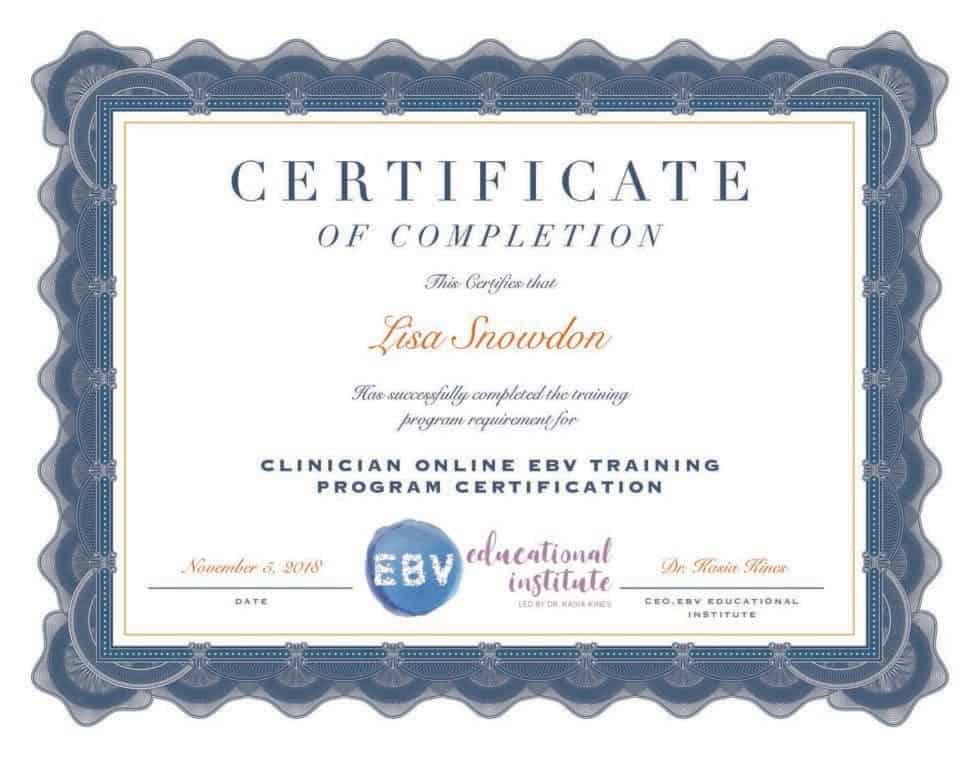
In my online nutrition practice, EBV comes up more often than you’d think, and I’ve completed training with the EBV Educational Institute. Below I’ll walk you through what EBV is, how it’s linked to chronic fatigue, what the blood tests can and can’t tell you, and the food and lifestyle changes that can support your energy and immune resilience.
What is Epstein-Barr virus?
EBV belongs to the herpes virus family. It spreads mainly through saliva, which is why glandular fever (also called mono, or infectious mononucleosis) earned the nickname “the kissing disease”.
Most people pick EBV up in childhood without noticing. Caught in the teens or early adulthood, it’s more likely to show up as glandular fever: fever, sore throat, swollen glands and a heavy, flu-like tiredness. Once that first infection settles, the virus doesn’t leave. It goes quiet (dormant) and stays in the body for life.
EBV reactivation: triggers, risk factors and tests
Reactivation is when the dormant virus becomes active again. It’s more likely when your immune system is under pressure, and these are the triggers I come back to most often with clients:
- Stress and broken sleep, especially the long grinding kind rather than one hard week.
- Another infection, or anything that has your immune system already busy.
- Big hormonal shifts – puberty, pregnancy and the months after it, and perimenopause and menopause.
- Low nutrient status. Your immune system runs on nutrients, and a long stretch of fatigue often means you haven’t been eating well for a while, which makes the next dip more likely.
- Blood sugar that swings through the day. The spike-and-crash pattern is tiring in its own right, and it adds to the inflammatory load your immune system is already carrying.
Reactivation often goes unnoticed, but it can contribute to prolonged fatigue, joint pain and a return of symptoms that feel a lot like the original infection.
Blood tests for EBV look at antibodies, the markers your immune system makes in response to the virus. Here’s how I explain them to clients:
- VCA IgM (viral capsid antigen): mostly shows up with a first, acute infection, so expect it to be negative with reactivation.
- VCA IgG: usually positive if you’ve ever had EBV. On its own, it can’t tell you whether the virus is active now.
- EA IgG (early antigen): often positive with a current or recent reactivation. Sadly, it isn’t routinely available in Australia, which is a real limitation here.
- EBNA IgG (nuclear antigen): on its own, it can’t tell you whether the virus is active now.
These results need to be read together, alongside your symptoms and history, by your GP or a practitioner who knows your full picture. I’ll say plainly that I don’t build a plan around the numbers. Your symptom pattern, your history and how you respond to changes tell me more than the panel does, and the panel is a clue rather than the plan. If you want to go deeper on reactivation itself, I’ve written about it in Reactivated Epstein-Barr Virus: Could It Be Responsible for Your Health Issues?
Chronic fatigue syndrome (ME/CFS): what it is
Chronic fatigue syndrome, also called myalgic encephalomyelitis (ME/CFS), is a complex condition. The fatigue is extreme, doesn’t improve with rest, and gets worse after physical or mental effort. That crash after effort, often a day or two later, is called post-exertional malaise, and it’s now seen as a core feature of the condition.
The cause still isn’t fully understood. Viral infections are among the most studied triggers, EBV in particular, and long COVID has brought a lot more attention to fatigue after a virus. A 2021 review pulled together the evidence linking EBV with the start of ME/CFS in some people (Ruiz-Pablos et al., 2021). And in a US study that followed teenagers after glandular fever, a meaningful minority still met the criteria for chronic fatigue syndrome six months later (Katz et al., 2009).
Getting a clear answer can take time, because the symptoms overlap with so many other conditions: persistent fatigue, unrefreshing sleep, brain fog, and aches and pain.
What your GP may offer
There’s no specific medicine that clears EBV, so medical care mostly focuses on easing symptoms. Antiviral medicines, pain relief and corticosteroids are sometimes used in severe cases.
Medical care for ME/CFS is similar: managing the most disruptive symptoms, such as pain and poor sleep, along with counselling support to help you cope day to day. UK guidance updated in 2021 now recommends energy management (pacing) and no longer recommends graded exercise therapy (NICE, 2021).
None of this is a reason to skip your GP. Nutrition support works alongside your medical care, not instead of it.
EBV and oxidative stress
Oxidative stress is what happens when your body makes more free radicals (unstable molecules that can damage cells) than its antioxidant defences can mop up. Like many viral infections, EBV may increase oxidative stress. It’s still an area of ongoing research, and it’s one reason antioxidant-rich food matters so much here.
Mitochondria and fatigue
Mitochondria are the tiny engines inside your cells that make energy. When they’re under strain, energy production drops, and you feel it as physical and mental fatigue. Researchers have looked closely at mitochondria in ME/CFS. A 2020 systematic review found some studies showing changes and others not, so the picture is still mixed (Holden et al., 2020).
Other things that add to EBV fatigue
- Immune activity. The immune response to the virus can drive ongoing inflammation, which drains energy.
- Hormones. Hormonal shifts often follow a long illness and can make fatigue worse.
- Stress and worry. Living with a lingering virus is stressful, and stress itself is tiring.
This is why I don’t look at EBV in isolation. Your gut, blood sugar, sleep, stress and hormones all feed into how much energy you have.
Nutrition and lifestyle support for EBV
Food won’t clear EBV from your body. What it can do is take some load off your immune system and support your energy. Here’s where I start.
Foods to avoid with Epstein-Barr virus
Processed foods, alcohol, high-sugar foods and too much caffeine can make EBV and ME/CFS symptoms worse. They can drive inflammation and put extra stress on the immune system.
Caffeine deserves its own mention. When you’re exhausted, coffee feels like the answer. But caffeine borrows energy rather than making it, and it can get in the way of the deep sleep your body needs to recover. I usually suggest bringing it down gradually rather than stopping overnight, so you don’t swap fatigue for a headache.
Gluten. Going gluten-free may help some people with EBV, particularly if you have a gluten sensitivity or coeliac disease. Gluten (a protein in wheat, barley and rye) can cause inflammation and digestive symptoms in sensitive people, which adds to the load. If you haven’t been tested for coeliac disease, ask your GP before you cut gluten out, because the test needs gluten in your diet to be accurate.
Depending on the person, dairy, corn and eggs may also be worth looking at. This is individual, not a blanket list.
Foods that may help
A diet rich in vegetables, fruit, good-quality protein and some whole grains supports immune function and overall health. Antioxidant-rich foods like berries, and anti-inflammatory foods like green leafy vegetables and green tea, earn a regular place on your plate.
Herbs and spices are an easy win in the kitchen. Turmeric is known for its anti-inflammatory properties, and ginger is a favourite of mine for immune support (try my immune-boosting ginger tea). Garlic has antiviral properties in lab studies, which is promising, though it hasn’t been tested against EBV in people.
Hydration
Staying well hydrated supports your body’s natural detoxification pathways and your energy levels. Water and herbal teas both count.
Supplements and herbs
Vitamins and minerals. Vitamin B12, vitamin D, zinc and selenium can be helpful. They play a role in supporting immune function and energy.
Lysine. Lysine is an amino acid, and it’s part of the EBV protocol I trained in with Dr Kasia Kines, who has found it useful in her own clinical work. The published trials sit in a related herpes virus rather than EBV itself, so I’d call this clinical experience rather than something the research has settled.
Herbs. Echinacea, astragalus and liquorice root are traditionally used to support immune function. Please check with a qualified practitioner before you start any herb, because herbs and supplements can interact with each other and with your medications.
Herbal teas.
- Ginger tea: grate fresh ginger into hot water with a microplane grater, a tip I picked up from Dr Kasia Kines. Ginger is known for its anti-inflammatory properties.
- Green tea: rich in antioxidants. (It does contain some caffeine.)
- Peppermint tea: may soothe digestive symptoms, which are common with EBV.
- Echinacea tea: often used to support the immune system.
- Liquorice tea: traditionally used to soothe the stomach and support the adrenals. Avoid it if you have high blood pressure.
Rest, stress and movement
Rest and sleep. Rest is essential with ME/CFS. A regular sleep routine and a cool, dark, comfortable bedroom can improve your sleep quality.
Stress. Yoga, meditation and mindfulness can calm a stressed nervous system. Stress can trigger or worsen symptoms, so this isn’t a nice-to-have.
Movement. Gentle movement like walking, swimming or tai chi can help, but the balance with rest matters more than the amount. Overdoing it can set you back for days. Pacing means keeping your activity inside your energy limits, even on good days, so you avoid the crash.
Is there a link between EBV and SIBO?
I hope medical research takes this one up, because it’s a link I’ve seen with many of my EBV clients. SIBO (small intestinal bacterial overgrowth) is when too many bacteria grow in the small intestine, often leading to bloating and other digestive symptoms.
One hypothesis is that EBV, through its effect on the immune system, may weaken the gut barrier or change immune responses in the gut, which could open the door to SIBO. There’s no direct evidence for this yet. What we do know is that viral infections, immune function, the vagus nerve and gut health are all connected.
One pattern I’ve learned to watch for: when SIBO keeps coming back, or the digestive symptoms hang around after a breath test says it has cleared, I also look at streptococcus. That comes from my EBV training and from what I’ve seen in practice rather than from published trials, but it has changed how I approach a stubborn gut case.
If gut symptoms are part of your picture, What is SIBO? is a good place to start, and my Gut Fix program is how I work with gut issues one-on-one.
Working with your GP and a nutritionist
I see medical and nutritional care as a team, not a choice. Your GP rules out other causes and looks after your medical care. A functional nutrition approach looks at the whole person (gut, blood sugar, nutrients, stress and sleep) and builds a plan around your body, not a template.
Where to start
If you’ve been living with EBV and fatigue for a while, please hear this: it’s not your fault, and it’s not all in your head. Fatigue like this is real, and there are practical things that can support your energy and immune resilience.
If you’d like help working out where to start, book a free strategy session. It’s just a real conversation about your situation and how I might be able to help, via Zoom or phone, wherever you are in Australia.
Frequently asked questions
Can Epstein-Barr virus cause chronic fatigue?
EBV is one of the most studied triggers of ME/CFS, and research supports a link in some people. Not everyone who has had EBV develops chronic fatigue, and several factors are usually involved.
Should I avoid caffeine with Epstein-Barr virus?
There’s no research on caffeine and EBV specifically. My view: caffeine can disturb deep sleep and mask how tired you are, so I suggest cutting back gradually rather than relying on it to get through the day.
What foods should I avoid with Epstein-Barr virus?
Start with processed foods, alcohol, high-sugar foods and excess caffeine. Gluten, dairy, corn and eggs may be worth looking at for some people, but that’s individual.
Can a blood test show EBV reactivation?
Antibody tests can give clues. The early antigen (EA IgG) result is the most useful marker of reactivation, but it isn’t routinely available in Australia. In practice I read the antibodies alongside your symptoms and history rather than relying on the panel on its own.
Can diet get rid of Epstein-Barr virus?
No. Once you’ve had EBV, it stays in your body for life. Good nutrition supports your immune system and your energy; it doesn’t remove the virus.
References
- Ruiz-Pablos M, et al. Epstein-Barr virus and the origin of myalgic encephalomyelitis or chronic fatigue syndrome. Front Immunol. 2021;12:656797. PubMed 34867935 · PMC8634673
- Katz BZ, et al. Chronic fatigue syndrome after infectious mononucleosis in adolescents. Pediatrics. 2009. PMC2756827
- De Paschale M, Clerici P. Serological diagnosis of Epstein-Barr virus infection: problems and solutions. World J Virol. 2012;1(1):31–43. PMC3782265
- Holden S, et al. A systematic review of mitochondrial abnormalities in myalgic encephalomyelitis/chronic fatigue syndrome/systemic exertion intolerance disease. J Transl Med. 2020;18:290. PMC7392668
- National Institute for Health and Care Excellence (NICE). Myalgic encephalomyelitis (or encephalopathy)/chronic fatigue syndrome (guideline NG206). 2021. nice.org.uk/guidance/ng206