Symptom-free starts with knowing your triggers
If you’ve been bloated, in pain, or running to the bathroom — and nobody can give you a clear answer about what’s actually causing it — this is the program for you.
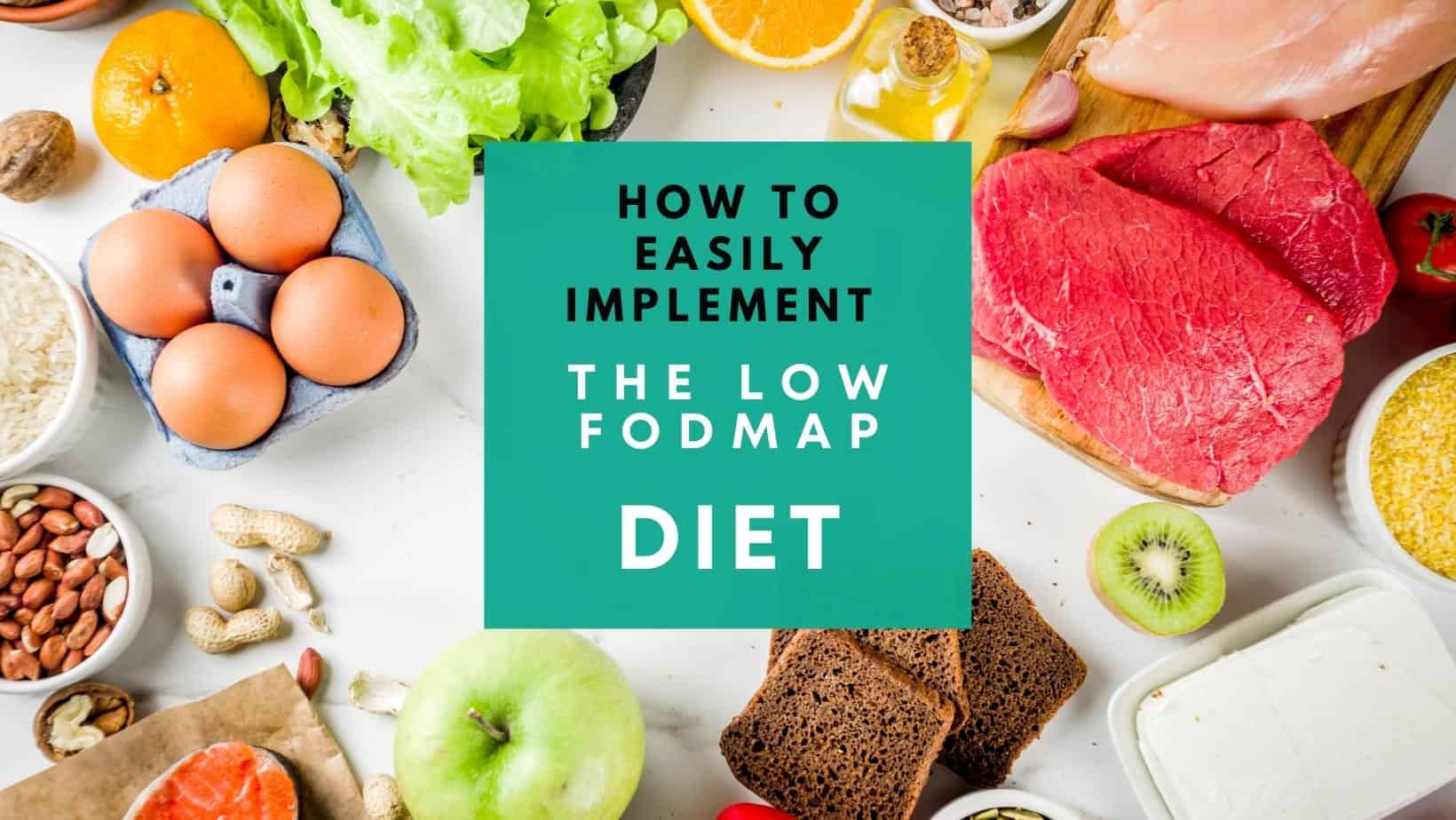
The low FODMAP diet program is the most evidence-based dietary approach for IBS, developed and researched by Monash University. But doing it properly — not the “I cut out wheat for a week” version — is where most people get stuck. This program walks you through the whole protocol: the elimination phase, the reintroduction phase, and what to do when the diet alone isn’t enough.
Who this is for:
– People with IBS, SIBO, or unexplained digestive symptoms — bloating, gas, cramping, constipation, diarrhoea
– Anyone whose GP or specialist has suggested trying a low FODMAP diet
– People who’ve cut wheat, gluten, or dairy “to see if it helps” but never identified specific triggers
– Self-starters who want to do the protocol properly without paying for repeated 1:1 dietitian sessions
– Anyone who’s tired of guessing and ready to identify
Who this is NOT for:
– People in severe active flare — you may need one-to-one support first. Book a strategy session for my Gut Fix program if symptoms are debilitating
– Anyone with an active or untreated eating disorder — the elimination phase can be triggering
– Pregnant or breastfeeding women — one-to-one support is required
– People looking for a “quick diet” — this is a structured protocol that takes 2–6 weeks of elimination plus a reintroduction phase, not a fad
What’s included in the Low FODMAP Diet Program:
– Multiple 7-day meal plans — omnivore, vegan, plus shopping lists for each
– 42+ recipes — easy, FODMAP-friendly, designed for real life
– Symptom-tracking sheet — measure progress objectively, not by guessing
– Easy food swaps guide — common high-FODMAP foods at a glance, with low-FODMAP alternatives
– Food label reading guide — spot hidden FODMAPs in packaged foods
– Private Facebook community — ask questions, share wins (you can post anonymously)
Plus four bonus modules:
1. Additional triggers list — for when low FODMAP alone isn’t enough
2. Gut transit time guide — test your digestive function at home
3. Adding flavour without onion & garlic — practical kitchen workarounds for the most common low FODMAP complaint
4. Eating out & travel guide — what to order in different restaurants & how to navigate holidays
Plus: lifetime access, fully self-paced, and a 7-day money-back guarantee.
Why I built this program — a note from Lisa
Around one in five of the people who walk into my consult room have IBS, SIBO, or some flavour of unexplained digestive distress. They’ve been told it’s “just stress”, to “eat more fibre”, to “try cutting out gluten” — and none of it has fixed the problem.
The truth is, IBS is real. Your symptoms are real. And there is a clinical protocol that works for most people who try it properly — the low FODMAP diet, developed and researched by Monash University in Melbourne. I completed Monash’s professional training in 2019 specifically because I wanted to deliver this protocol to my clients with clinical accuracy, not internet hearsay.
This low FODMAP diet program is the protocol I usually walk clients through one-to-one — packaged into a self-paced format you can start today. If you’ve been suffering with bloating, gas, or unpredictable bowels for more than three months, you don’t have to keep guessing. You can have a plan.
— Lisa Snowdon, Clinical Nutritionist
Adv. Dip. Nutritional Medicine · ATMS member · Monash FODMAP-trained (2019) · 16 years in private practice
What clients have said:
> “I came to Lisa after a recent diagnosis. I needed help managing my diet. Lisa recommended a low FODMAP diet to settle my symptoms. Adjusting to the diet was not too difficult as there are so many food options to choose. After a couple of months, I feel fantastic! Lisa’s support has made such an enormous difference to my life. I feel more energetic and a lot less bloated. I would highly recommend Lisa to anyone with digestive issues.”
> — Susi, Sydney
> “I knew I needed to fix my diet, but I didn’t have the necessary direction or motivation to know what to do. I was suffering from terrible digestive discomfort and constant tiredness. Since working with Lisa, I have not only found out the foods to avoid for my symptoms, but also I have learned how to eat better for a healthier life. I’m a different human being! My whole journey was a simple investment for large rewards. Thanks Lisa!”
> — Brett, Sydney
Frequently asked
How long does the program last?
Self-paced. The elimination phase typically runs 2–6 weeks, after which you move to a structured reintroduction phase to identify your specific triggers. You have lifetime access — return whenever you need to.
Will this help with IBS specifically?
The low FODMAP diet is the most evidence-based dietary approach for IBS, and published research from Monash University shows it reduces symptoms in roughly three out of four people who follow the full protocol. (That figure is widely-cited clinical evidence, not my opinion.) Your individual results may vary.
What about SIBO?
Low FODMAP can reduce SIBO symptoms but doesn’t treat the underlying bacterial overgrowth — you may need additional clinical support. Book a strategy session for my Gut Fix program if you suspect SIBO.
I’ve already tried cutting out wheat / dairy / gluten — how is this different?
Most “I cut out one food” attempts miss the actual culprit because FODMAPs span five different categories — fructans, lactose, fructose, polyols, and galacto-oligosaccharides — across foods you wouldn’t suspect. The structured protocol identifies which categories your body actually reacts to.
Can I eat out on this diet?
Yes. The Low FODMAP diet program includes an Eating Out & Travel module covering what to order in different restaurant types and how to navigate work travel and holidays.
Do I need a Facebook account?
No — all program content is delivered via Practice Better. The Facebook community is optional. If you join, you’re welcome to post anonymously.
Is this self-paced or live?
Self-paced. There are no live calls — you work through the modules on your own schedule, in your own time.
Ready when you are.
Click the Enrol Now button to enrol via Practice Better.
This is a self-directed nutrition education program and is not a substitute for medical care. Please check with your GP or email me before making significant dietary changes, especially if you have any health conditions, are taking medication, are pregnant or breastfeeding, or have a history of disordered eating.